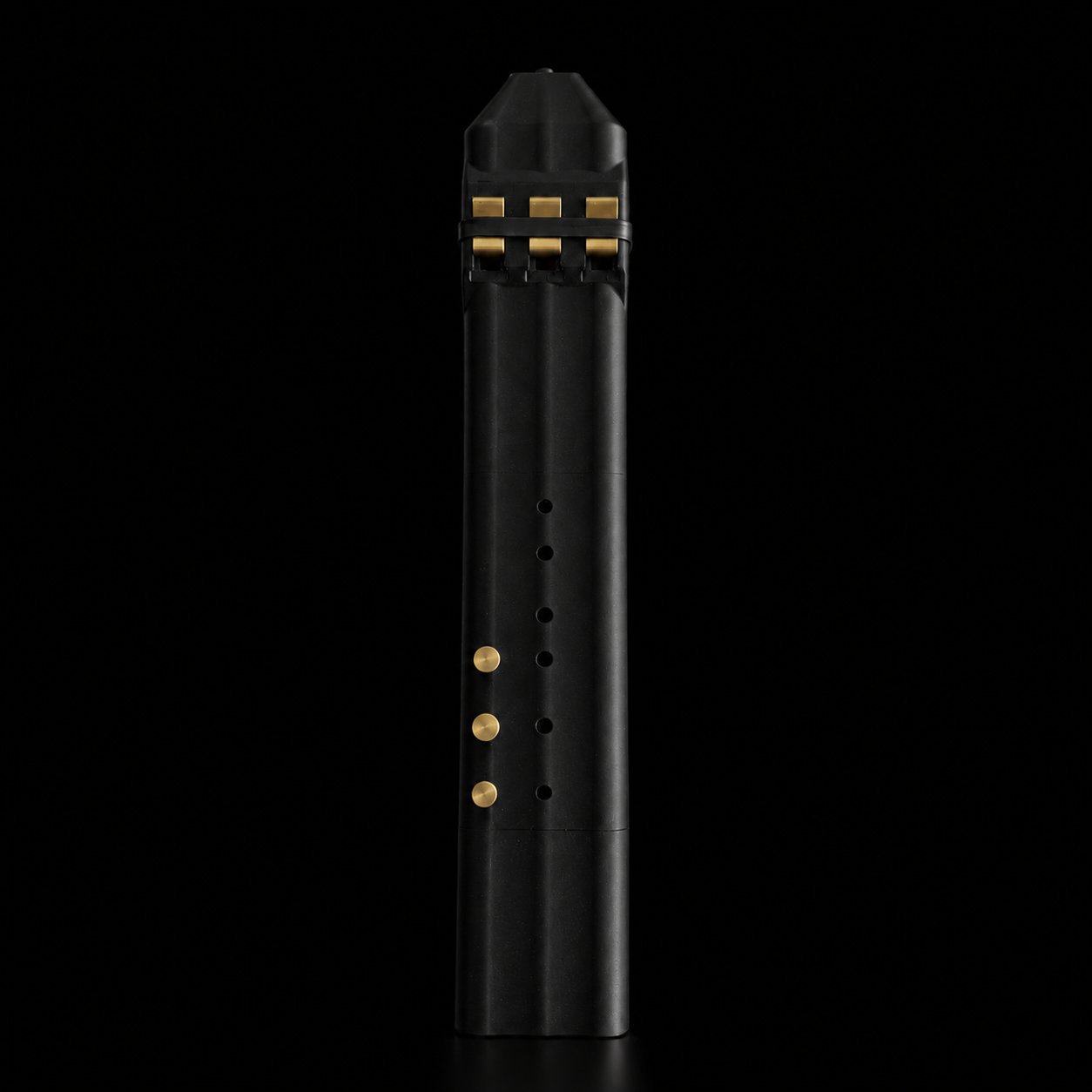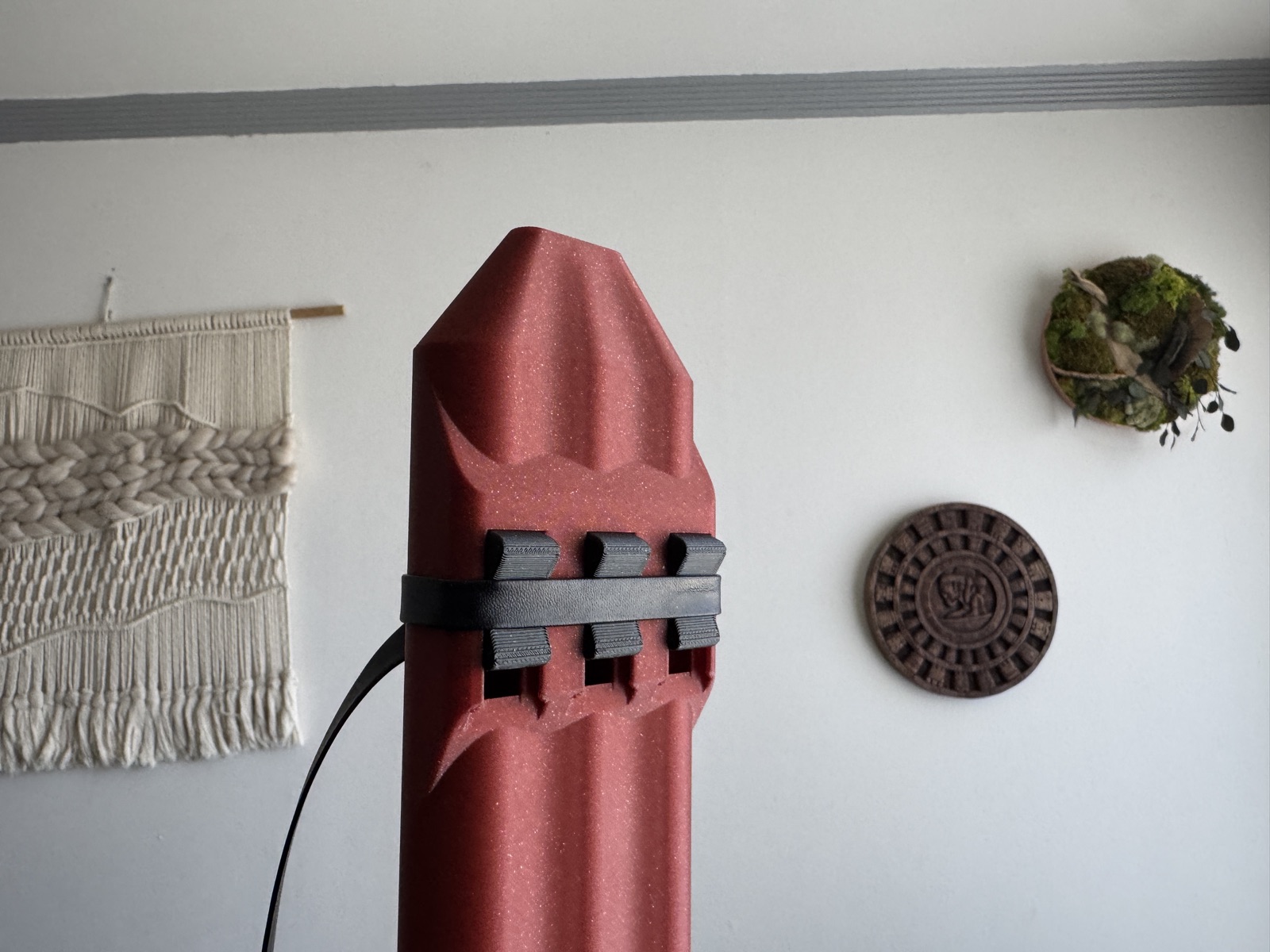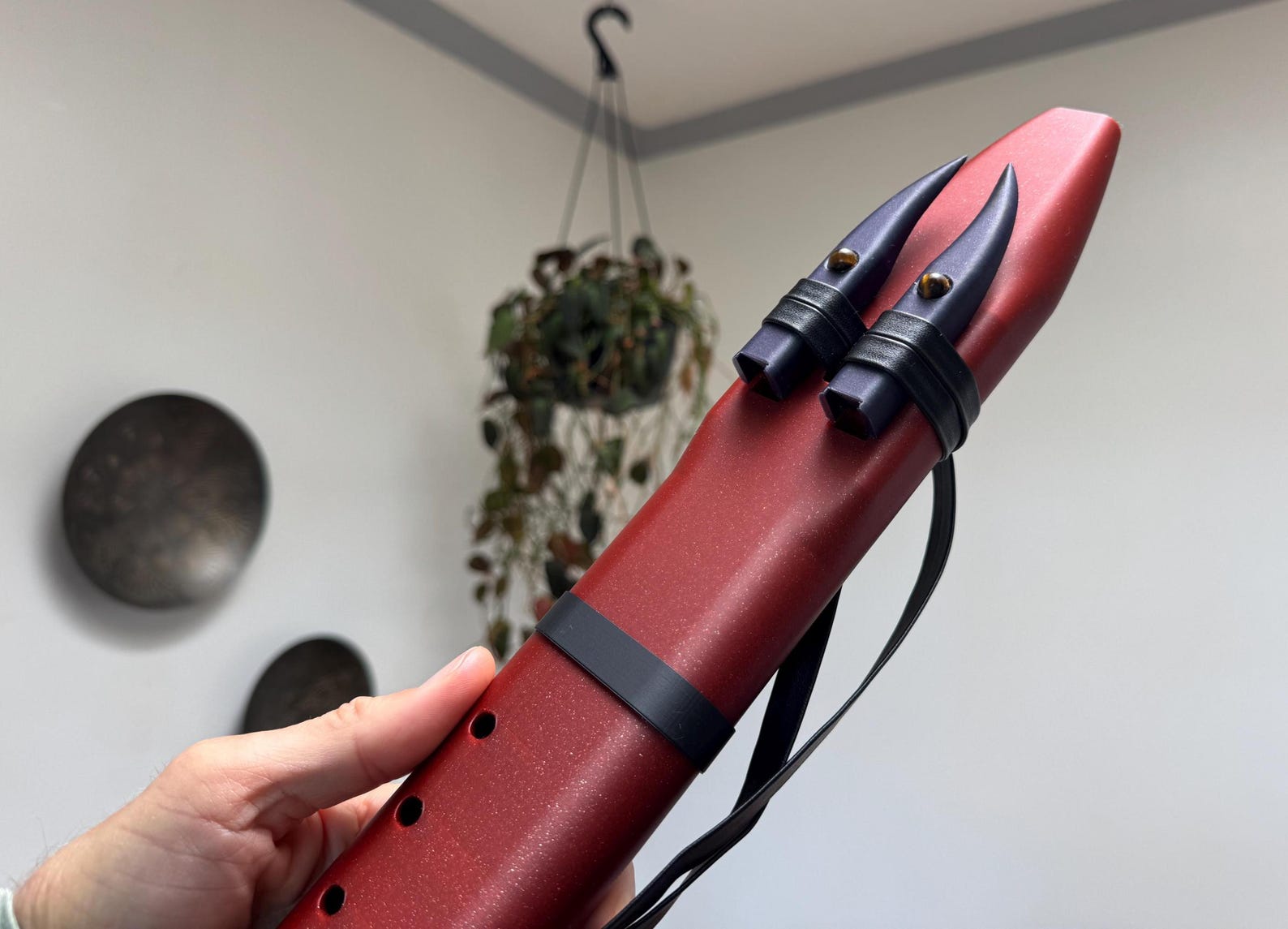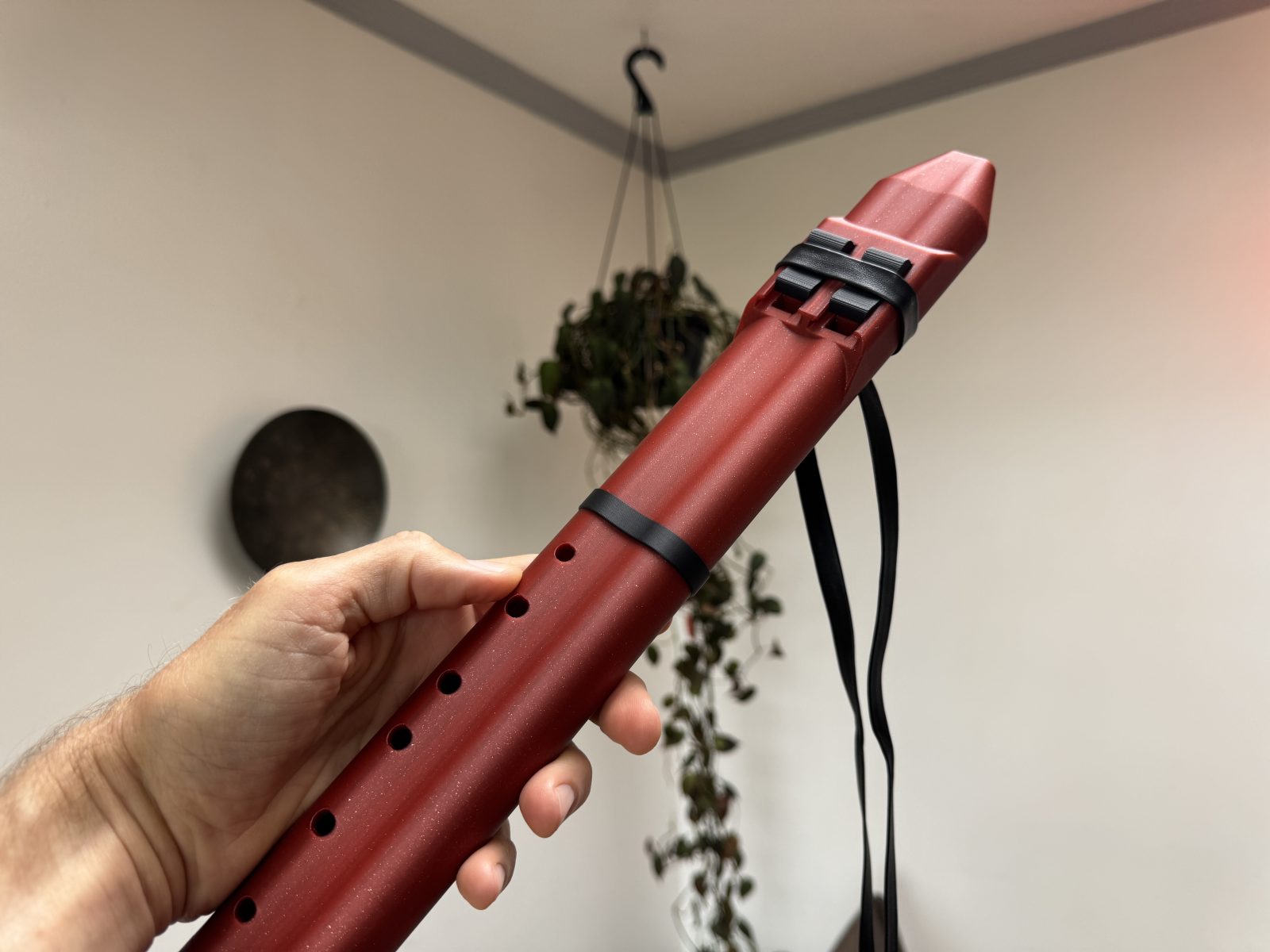
Designed around the note
Bore, window, and finger-hole placement are refined as one acoustic system before a design enters the collection.
No items in your cart yet.
Continue Shopping →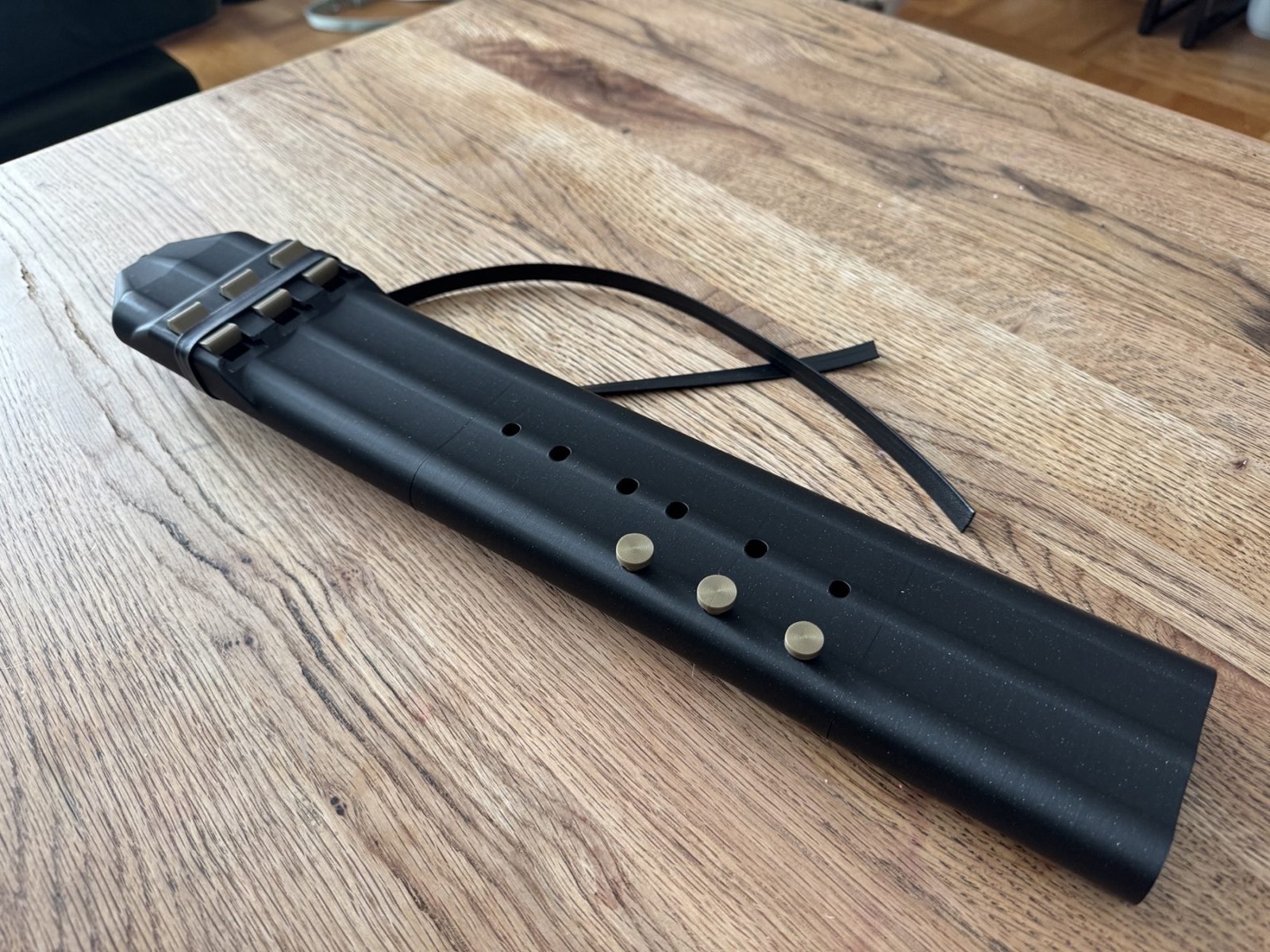
Small-batch 3D-printed flutes, made in California
Modern Native American-style flutes with a warm, steady voice, 3D-printed in eco-friendly, plant-based PLA. Built for first notes, daily practice, sound work, and long quiet rooms.
Why White Cloud
We pair the approachable voice of the Native American-style flute with digital design and precision printing—creating instruments that feel distinctive, durable, and easy to live with.
Bore, window, and finger-hole placement are refined as one acoustic system before a design enters the collection.
Plant-based PLA makes the instruments lightweight and durable, while small runs keep the process close to home.
A direct pentatonic scale and clear care guidance make it easier to stop overthinking and start making music.
The current collection
The workshop standard
The acoustic work happens in the digital design. Each form is refined against a tuner, then precision printing carries that geometry into the finished instrument.
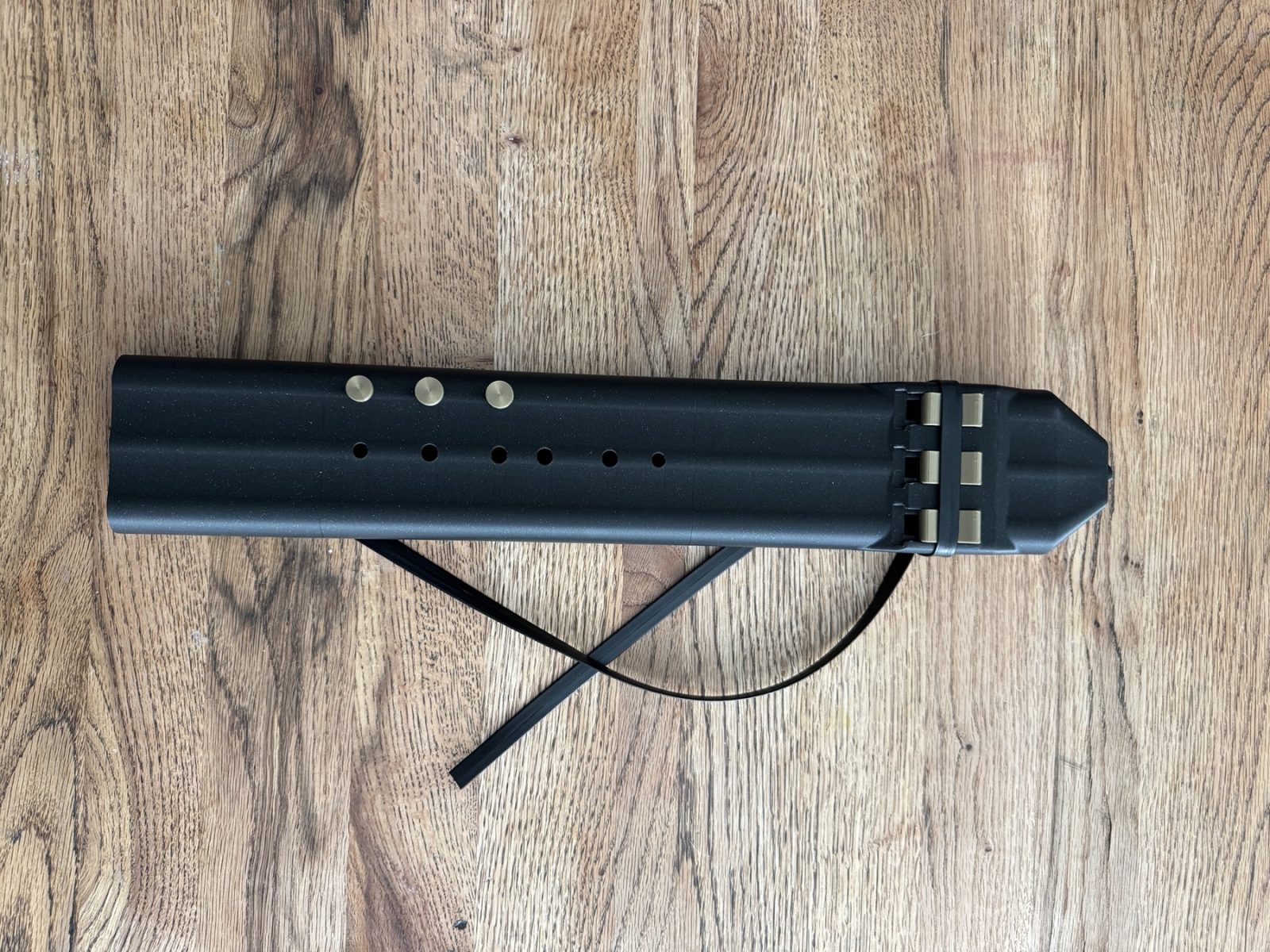
Form follows sound: air path, window, bore, and finger-hole placement all contribute to the final voice.
Begin where you are
No theory test at the door.
The pentatonic scale makes a Native American-style flute welcoming from the first few minutes. Start with steady breath and simple finger changes; the rest can arrive slowly.
Use less air than you think. Let the tone begin softly, then add only enough breath to make it clear.
Practice slow finger changes, steady breath, and short call-and-response phrases.
Keep it away from heat, let moisture dry after playing, and return often enough for it to feel familiar.

 Ocean Beach · San Francisco
Behind the instruments
White Cloud Flutes is an independent San Francisco workshop built around one clear belief: instruments should feel personal, approachable, and made with integrity.
“We're a small independent workshop in San Francisco. We design and print every flute ourselves, perfecting the tuning once in the design so each one comes out with that same true voice, every time.”Meet the maker
Field notes
June 2, 2026
From a 40,000-year-old vulture bone to the 1941 Library of Congress recordings that saved a tradition from disappearing — what I learned about where the flutes I make actually come from.
May 26, 2026
How I went from hobby woodworking to building a small flute business one print at a time.
Ready when your breath is
Browse the current collection, choose a key that speaks to you, or send a question before you decide.